How to Become a UGC Content Creator in 2026 (Complete Beginner Guide)
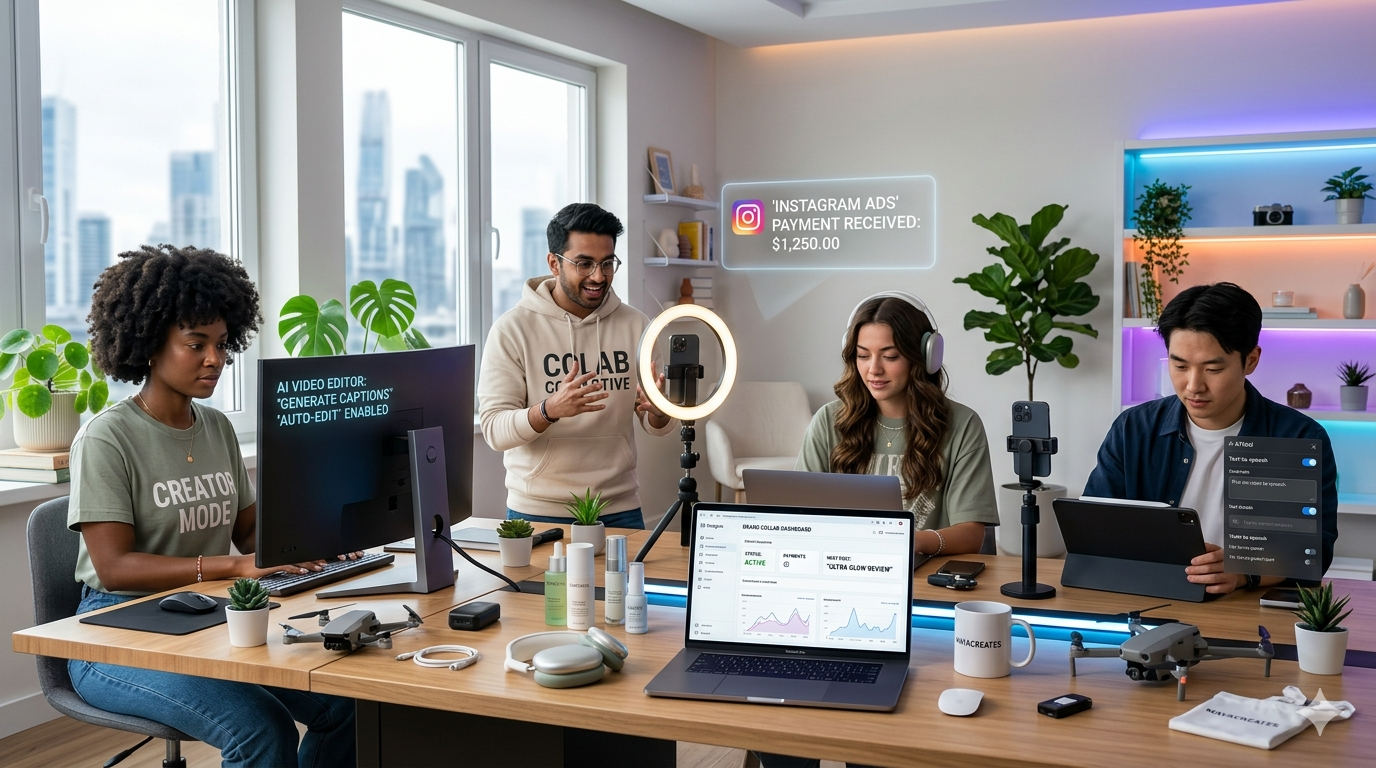
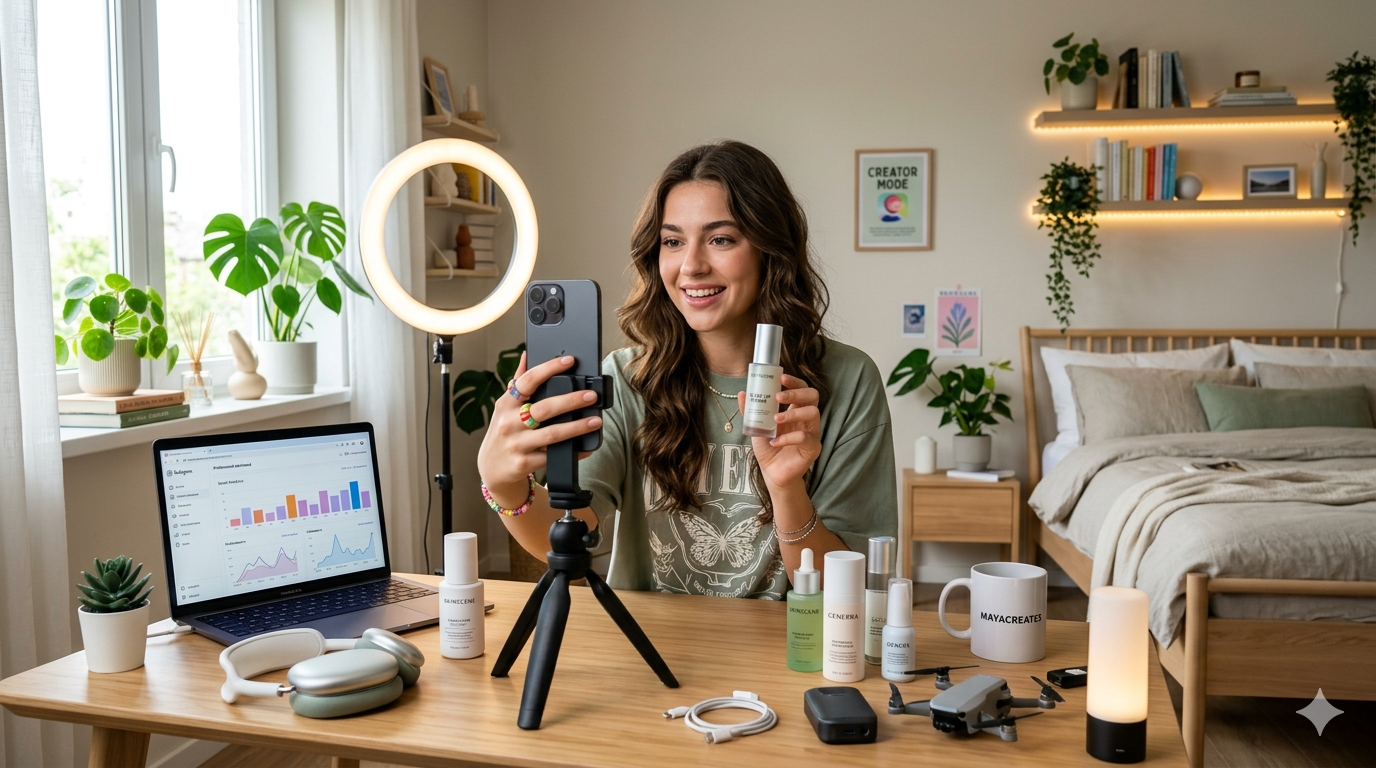
Becoming a UGC content creator 2026 is one of the fastest ways to start earning from short-form videos and social media content. This guide walks you through every step, from skills to pricing, so you can launch confidently.
What is a UGC content creator?
UGC stands for user-generated content. It means real people create content—videos, photos, reviews—about a brand or product. Brands pay creators for authentic content that converts better than polished ads.
This role sits at the intersection of content creation and marketing. You don't need fancy equipment to start; you need creativity, consistency, and trustworthiness.
Why UGC is a top side hustle in 2026
In 2026, brands prioritize authenticity and short-form video. UGC fits both trends, making it ideal for people wanting flexible income.
- Lower competition than high-end influencer marketing
- Faster turnaround and repeat clients
- High demand across e-commerce, apps, and local businesses
- Works well with other categories like Make Money Online and Side Hustles
Skills you need to start
You can learn most skills quickly. Focus on the basics and improve with practice.
- Smartphone filming: steady shots, good lighting, simple framing
- Short-form editing: trim, add captions, simple transitions
- Copywriting: short hooks and clear calls-to-action
- Brand communication: professional emails and clear deliverables
- Analytics basics: know views, watch time, and engagement
Gear and software (budget and pro options)
Start with what you have. Invest small as income grows.
Budget setup
- Smartphone with good camera
- Clip-on microphone or earbuds with mic
- Natural light or an affordable ring light
- Free editing apps: CapCut, InShot, VN
Pro upgrade
- Mirrorless camera or newer phone
- Shotgun microphone, small tripod, LED panel
- Subscription editing tools: Adobe Premiere Rush or Final Cut
- Project management tool: Trello or Notion
What to create first: niche and content ideas
Choose a niche that aligns with your experiences and potential clients. Niches make pitching easier and attract repeat work.
- Beauty and skincare
- Fitness and wellness
- Home & lifestyle
- Food and small food businesses
- Tech gadgets and accessories
- Financial tools and apps (works with Personal Finance and Make Money Online)
Content ideas:
- Product demo: 15–30 second clip showing benefit
- Before/after transformation
- Quick tutorial or tip
- Honest review with pros and cons
- Unboxing with reaction
How to build a portfolio fast
You need examples to show brands. Use a simple, repeatable process.
- Create 5–10 sample clips for your chosen niche.
- Use mock scripts and real products (or borrowed items).
- Post on a public platform like Instagram, TikTok, or a portfolio site.
- Collect short captions, a one-line case study, and analytics screenshots.
- Package items in a one-page PDF or an Instagram Reel highlight.
Even unpaid or discounted jobs count as portfolio pieces. Focus on variety: different lengths and styles.
Where to find UGC clients
There are many paths—combine several to scale faster.
- DM outreach on Instagram or TikTok
- Freelance platforms: Fiverr, Upwork, and Freelancer
- UGC-specific marketplaces: Trend, Video Husky, and open talent lists
- Industry Slack communities and Facebook groups
- Local small businesses and e-commerce stores
How to pitch brands (templates and tips)
A clear pitch beats a long one. Keep messages short and specific.
Pitch structure
- One-line intro: who you are and niche
- Why you like the brand (specific product or value)
- What you propose: deliverables, style, runtime
- Results you aim to achieve (awareness, conversions)
- Price or a request to discuss budget
- Link to 3 portfolio examples
Short pitch example
Hi [Name], I’m Joshua, a UGC content creator focused on home products. I love your [product]. I can create three 15–30s demo videos highlighting [benefit]. I typically deliver within 5 days. My rate starts at $X—happy to discuss. Examples: [link].
How to price your UGC work in 2026
Pricing depends on experience, usage rights, and deliverables. Start modest, then increase with results.
- Per short clip: $50–$500 depending on length and usage
- Bundle pricing: 3 clips for a discounted flat fee
- Usage license: limited social use vs. lifetime website use (charge more)
- Revisions: include one free round, then charge per revision
Tip: Always state whether your price includes usage rights. Usage refers to where and how long the brand can use your content.
Contracts and payment basics
Use a simple contract to avoid misunderstandings. Contracts protect you and the brand.
- Basic contract items: deliverables, deadlines, revisions, payment terms, and usage rights
- Payment terms: 50% upfront for new clients, remainder on delivery
- Payment methods: PayPal, Wise, bank transfers, or local alternatives
- Keep invoices for taxes and bookkeeping
Editing workflow and captions that convert
Save time with templates and repeatable workflows.
- Create an editing template for intros, lower-thirds, and captions
- Use captions on every video—many watch without sound
- Open with a strong hook in the first 2–3 seconds
- End with a clear call-to-action (CTA): link, discount, or site visit
Hook examples: "Struggling with X?" or "This product saved me Y." Keep hooks relatable and benefit-driven.
Growth strategies: from one-off gigs to recurring clients
Recurring work is where stable income comes from. Treat early clients like long-term partners.
- Offer a retainer for ongoing monthly content
- Propose seasonal packages (holiday content, product launches)
- Deliver extra value: content calendars, trend ideas, or analytics summaries
- Ask for testimonials and referrals after a successful job
Measuring success and showing ROI
Brands want results. Provide simple, clear metrics to show value.
- Impressions and views
- Engagement: likes, comments, shares
- Click-throughs to product pages
- Sales or coupon redemptions (if trackable)
Package these into a one-page report after a campaign. Use screenshots and concise bullet metrics.
Common mistakes beginners make
Avoid these traps to move faster and keep clients happy.
- Not defining usage rights upfront
- Overpromising on turnaround times
- Ignoring captions and hooks
- Charging without testing market rates
Legal and tax basics for creators
Know a few basics so you don’t lose earnings to avoidable issues.
- Track income and expenses for tax time
- Ask clients for written permission if using trademarked material
- Use invoices and keep records of contracts
Tools and resources (quick list)
These tools help speed production and professionalism.
- Editing: CapCut, InShot, Adobe Premiere Rush
- Audio: Rode or Boya microphones, Audacity for cleanup
- Portfolio: Linktree, Notion, or a simple website
- Contracts & invoices: HelloSign, Bonsai, Wave Accounting
- Marketplaces: Fiverr, Upwork, Trend, Video Husky
Case study: from zero to paid client in 30 days
Example: A creator focused on kitchen gadgets posted five short demos and DM’d 20 small stores. Within two weeks they secured one paid $300 order. They delivered three videos, offered a small usage license, and got a retainer for monthly posts after showing sales lift.
Lessons: consistent posting, targeted outreach, and a clear offer win early clients.
Frequently Asked Questions
What exactly does a UGC content creator do?
A UGC content creator makes authentic content like short videos, photos, and reviews for brands. The goal is to build trust and drive action.
Do I need a big following to get paid?
No. Many brands hire creators for authenticity and high engagement. A strong niche portfolio matters more than follower count.
How much can I earn as a beginner?
Beginners often make $200–$1,000 a month with part-time effort. Experienced creators can earn thousands monthly via retainers and larger campaigns.
How long before I get consistent work?
With focused outreach and a small portfolio, many creators land their first paid job in 2–8 weeks. Consistency and follow-ups speed this up.
What’s the difference between UGC and influencer content?
UGC focuses on short, performance-driven content for ads and product pages. Influencer content often centers on endorsements to a creator's audience and may include long-term partnerships.
Can UGC work be passive income?
Somewhat. Individual projects pay one-time, but recurring retainers, licensed content, and templates can create passive-like revenue streams.
Final checklist to start this week
- Pick a niche and create 5 sample videos
- Build a one-page portfolio and share links
- Prepare a short pitch template and send 20 DMs
- Decide pricing and usage rights
- Sign a basic contract and invoice system
This guide ties into our blog categories: Make Money Online, Side Hustles, and Personal Finance, because UGC can quickly boost your income and financial options.
Ready to try UGC? Start small, learn fast, and reinvest earnings into better gear and faster growth.
Take action today: create five short UGC clips, send 20 pitches, and track responses — momentum builds results.